
Baking can feel confusing when you’re just starting. You follow a recipe step by step, but the results still don’t turn out the way you expected. Maybe your cake is too dense, your cookies spread too much, or your muffins don’t rise at all.
The truth is, baking is not just about mixing ingredients—it’s about understanding how each step affects the final result. In this guide, we’ll explore the most common baking mistakes for beginners, explain why they happen, and show you exactly how to fix them with simple, practical tips.
1. Incorrect Measuring of Ingredients
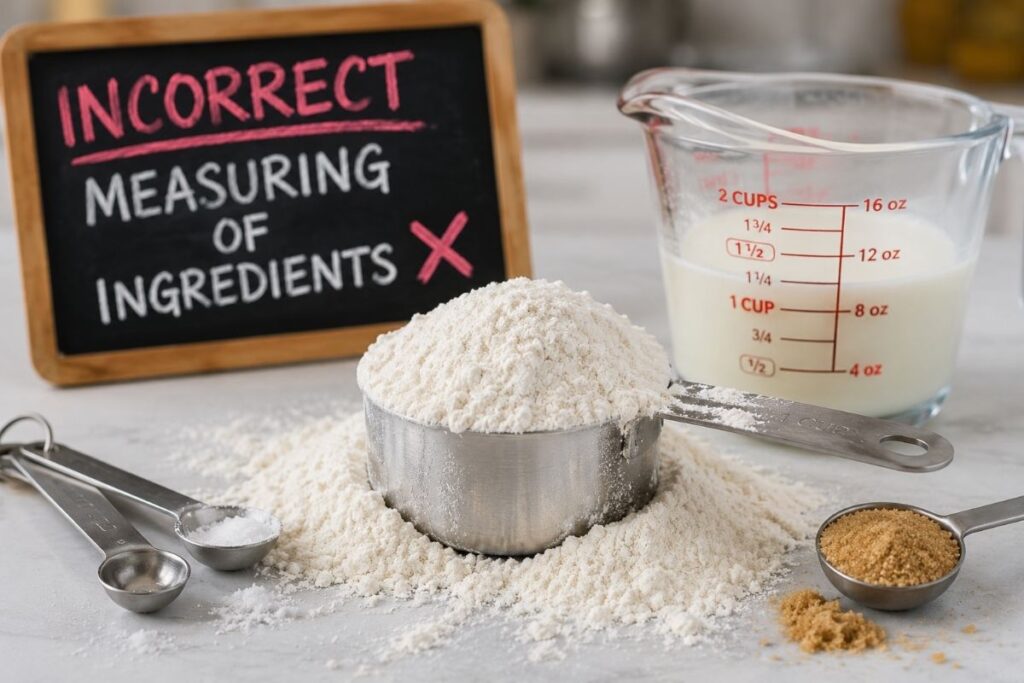
One of the most common baking mistakes is measuring ingredients the wrong way. Unlike cooking, where you can adjust things as you go, baking depends on precise ratios. Even a small difference in the amount of flour, sugar, or liquid can completely change the texture of your baked goods.
Common issues:
For example, if you scoop flour directly from the container using a measuring cup, you may end up adding too much without realising it. This extra flour can make your cake dry, heavy, and dense instead of soft and fluffy. On the other hand, using too little sugar can affect not only sweetness but also moisture and structure.
How to fix it:
To avoid this, always use the correct measuring tools. Spoon flour into the measuring cup and level it off instead of scooping. For even better accuracy, use a digital kitchen scale. This small habit can instantly improve your baking results and help you understand why your cake turns out dense instead of light.
2. Not Preheating the Oven
Skipping the preheating step is another mistake many beginners make, often because they are in a hurry. However, this step is more important than it seems.
What happens:
When you place your batter into a cold or partially heated oven, the ingredients don’t react properly. Baking powder and baking soda need immediate heat to activate and create the rise in cakes and muffins. Without that heat, your baked goods may turn out flat, uneven, or dense.
Solution:
Preheating ensures that your oven reaches the correct temperature before baking begins. This creates a stable environment for your recipe to cook evenly from the start. Always give your oven at least 10–15 minutes to fully heat up before placing anything inside.
3. Overmixing the Batter
Many beginners think mixing longer will make the batter smoother and better, but this is actually one of the most damaging mistakes in baking.
Problem:
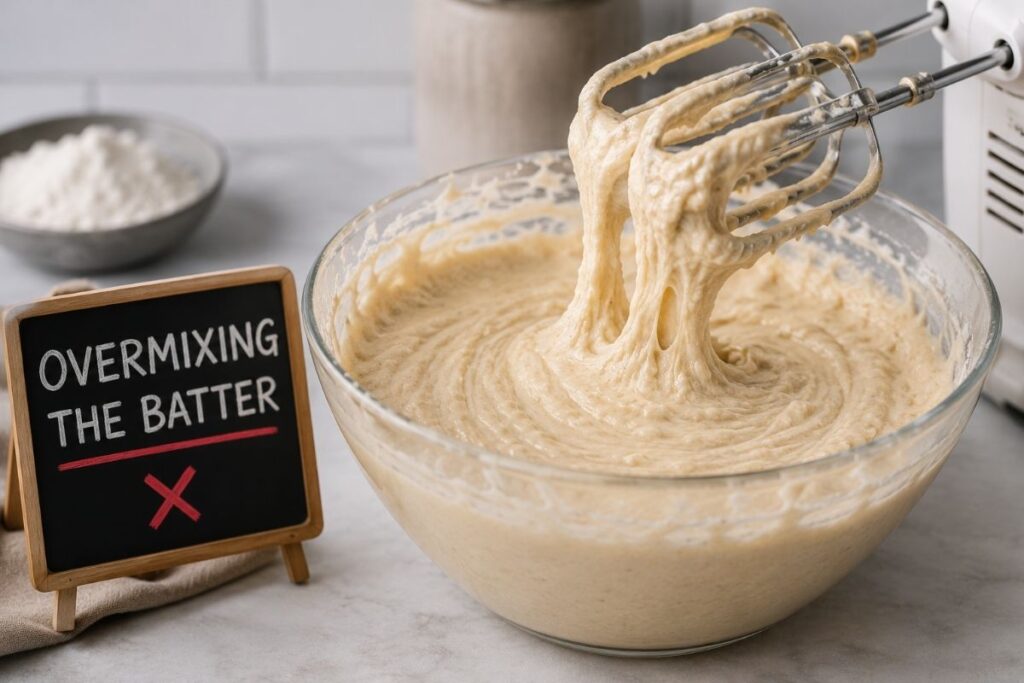
When you overmix, especially after adding flour, you develop too much gluten. Gluten is what gives structure to baked goods, but too much of it makes your cake or muffins tough, dense, and chewy instead of soft and airy.
Fix:
Mix ingredients just until combined. Don’t aim for a perfectly smooth batter—slight lumps are okay.
This is why recipes often say “mix until just combined.” It means exactly that—stop mixing as soon as the ingredients come together. A slightly lumpy batter is perfectly fine and will bake beautifully.
Learning this simple technique is one of the best baking tips for beginners because it directly affects texture.
4. Using the Wrong Oven Temperature
Oven temperature plays a huge role in baking success, yet many people rely only on the oven dial, which is not always accurate.
Effects:
If your oven is too hot, the outside of your cake may cook too quickly and burn while the inside remains undercooked. If the temperature is too low, your baked goods may not rise properly and can turn out flat or dry.
Tip:
Use an oven thermometer to get accurate results and bake perfectly every time.
An oven thermometer is a simple and affordable tool that helps you verify the actual temperature inside your oven. Once you start using one, you’ll notice a big improvement in consistency and overall baking results.
5. Opening the Oven Door Too Often
It’s completely natural to feel curious and check your cake while it’s baking, especially if you’re new. However, opening the oven door frequently can ruin your results.
Why this is bad:
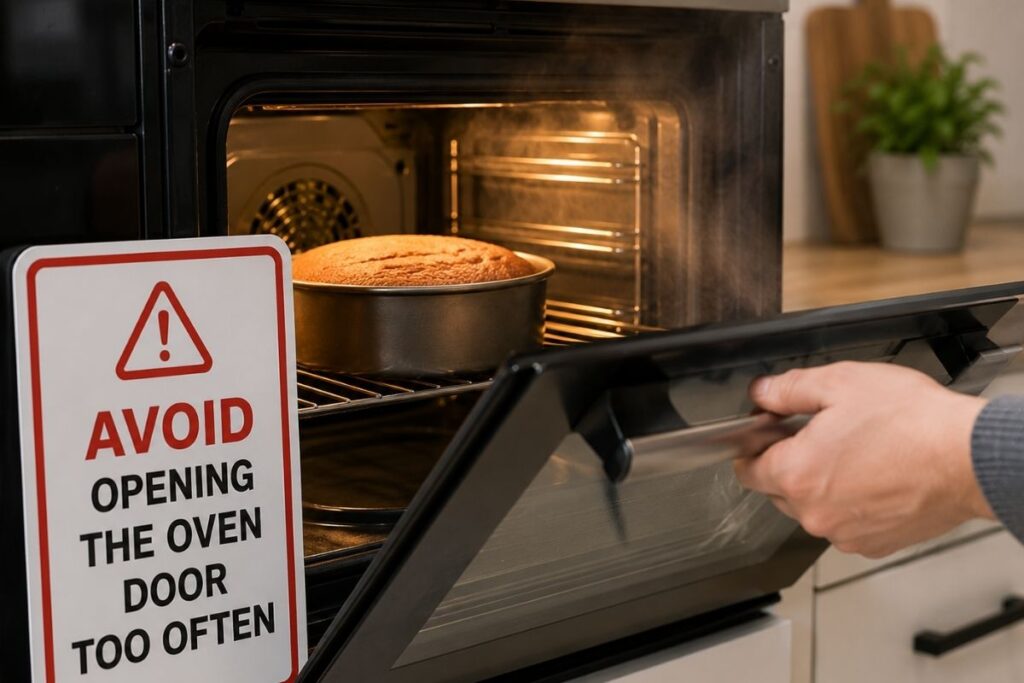
Every time you open the oven, heat escapes and the temperature drops suddenly. This can interrupt the baking process, causing cakes to collapse in the centre or bake unevenly.
Best practice:
Instead of checking repeatedly, trust the baking time given in the recipe. If needed, turn on the oven light and look through the glass door. Only open the oven when you are close to the end of the baking time.
6. Using Cold Ingredients
Using ingredients straight from the refrigerator is a small mistake that can lead to big problems in baking.
Result:
Cold butter doesn’t cream properly with sugar, and cold eggs don’t mix evenly into the batter. This can result in a lumpy mixture and uneven texture in your final product.
Solution:
Use room-temperature ingredients for better mixing and texture. This is one of the best easy baking tips for beginners at home.
Room-temperature ingredients blend more smoothly, creating a uniform batter that traps air properly. This helps your cakes rise better and gives them a soft, fluffy texture.
As a general rule, take out your butter, eggs, and milk about 30–60 minutes before baking.
7. Ignoring Recipe Instructions
Many beginners try to skip steps or make quick changes to recipes, especially when they feel confident. However, baking recipes are carefully designed, and even small changes can affect the outcome.
Mistakes include:
For example, changing the order of mixing ingredients or reducing sugar without understanding its role can lead to unexpected results. Sugar doesn’t just add sweetness—it also affects moisture and structure.
Advice:
Follow the recipe exactly, especially when learning how to bake perfectly for beginners.
When you’re learning, it’s best to follow the recipe exactly as written. Once you understand how ingredients work, you can start experimenting safely.
8. Using Expired Ingredients
Using old or expired ingredients is a hidden mistake that many people overlook. Baking powder and baking soda, in particular, lose their effectiveness over time.
Result:
If these ingredients are no longer active, your cake won’t rise properly, no matter how well you follow the recipe. This often leads to flat, dense baked goods.
Quick test:
You can easily test them at home. Add baking powder to hot water or baking soda to vinegar—if they don’t bubble, they’re no longer good to use.
Keeping your ingredients fresh is a simple but powerful way to improve your baking.
9. Not Preparing the Baking Pan Properly
Forgetting to grease or line your baking pan can turn a perfectly baked cake into a disaster when it’s time to remove it.
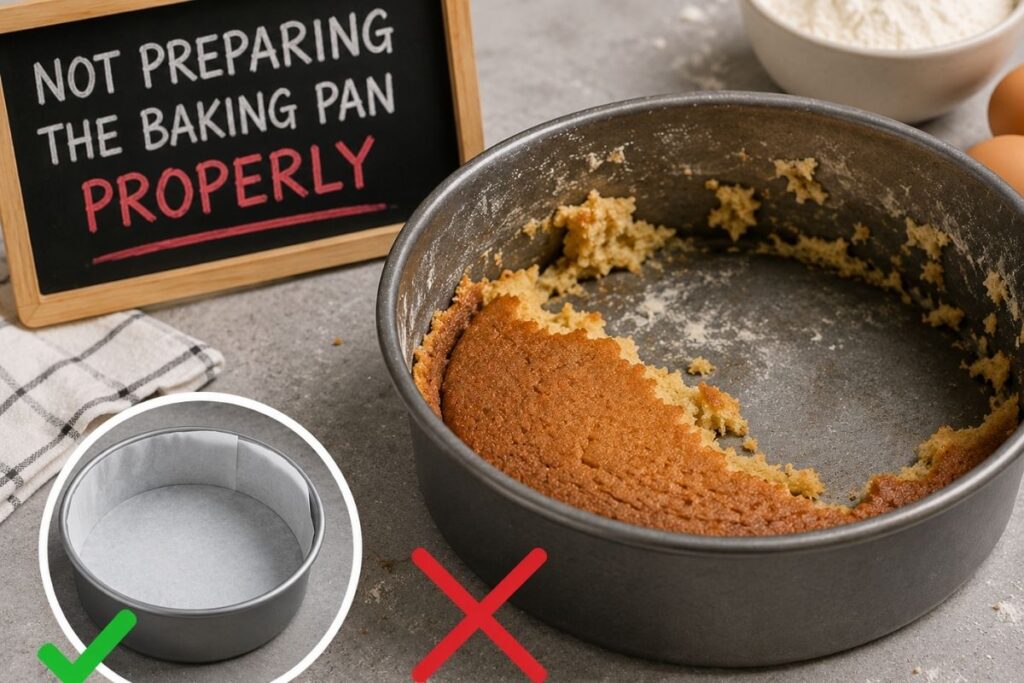
Problem:
If the pan is not prepared, the cake can stick to the surface, break apart, or lose its shape. This is especially frustrating after putting in all the effort to bake it.
Fix:
To avoid this, always grease your pan with butter or oil, or use parchment paper for easy removal. This small step ensures your baked goods come out clean and intact.
10. Overbaking or Underbaking
Timing is one of the most important parts of baking, and getting it wrong can completely affect your results.
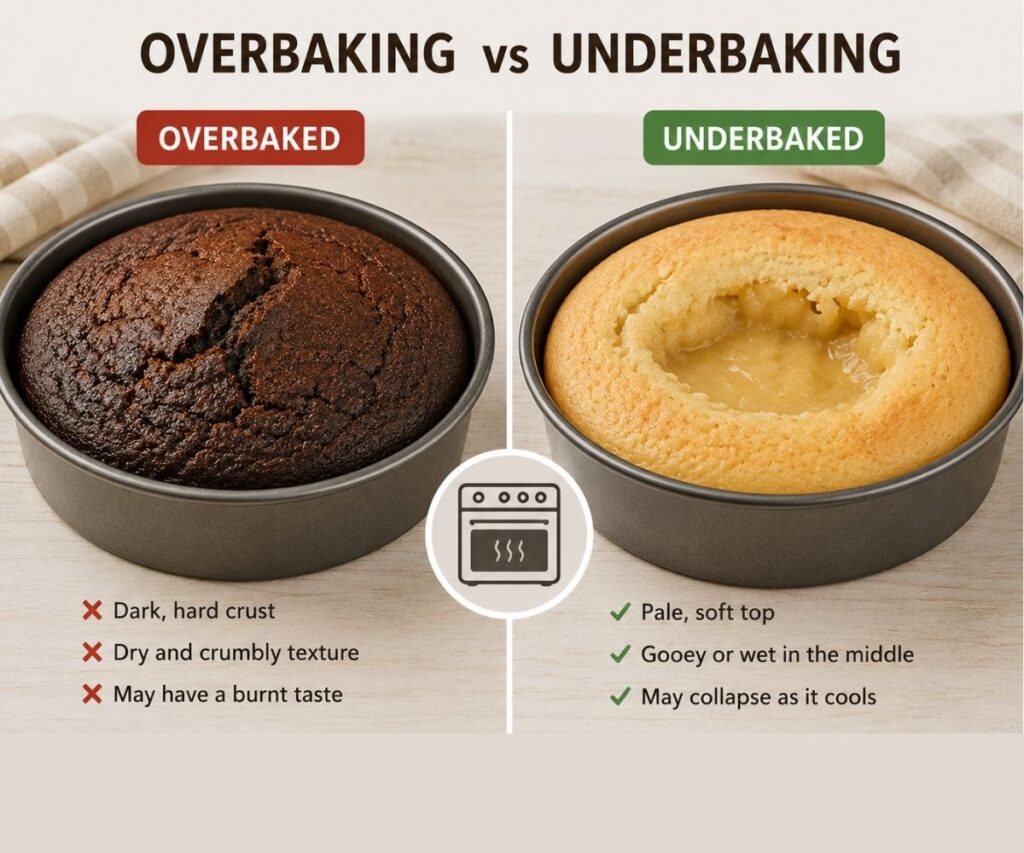
Signs:
Overbaking removes too much moisture, leaving your cake dry and hard. Underbaking, on the other hand, leaves the centre raw and sticky.
Solution:
Use a toothpick test—if it comes out clean, your cake is ready.
The best way to check doneness is the toothpick test. Insert a toothpick into the centre—if it comes out clean or with a few crumbs, your cake is ready.
Learning to judge baking time correctly is key to mastering baking problems and solutions.
11. Not Letting Baked Goods Cool Properly
Cutting into your cake right after baking might be tempting, but it can ruin the texture.
Why cooling matters:
When baked goods are hot, they are still setting internally. Cutting too soon can cause them to crumble, fall apart, or feel gummy.
Tip:
Let baked goods cool before slicing or serving.
Allow your baked goods to cool in the pan for a few minutes, then transfer them to a wire rack. This helps them set properly and improves both texture and flavour.
12. Incorrect Ingredient Substitutions
Substituting ingredients without understanding their role can lead to disappointing results.
Examples:
For example, butter adds flavour and structure, while oil adds moisture. Replacing one with the other changes the final texture. Similarly, different types of flour behave differently in baking.
Advice:
Only substitute when you understand the ingredient’s role.
If you need to substitute, make sure you understand how the ingredient works in the recipe. Otherwise, it’s best to follow the original ingredients, especially as a beginner.
What You Should Remember
Every beginner makes mistakes in baking, and that’s completely normal. The important thing is to learn from those mistakes and improve with each attempt.
By understanding these common baking mistakes and how to fix them, you can build confidence in the kitchen and achieve better results every time. Baking becomes much more enjoyable when you know what to do and what to avoid.
Start simple, follow the basics, and keep practising. With time, you’ll go from beginner to confident home baker—and your results will show it.
FAQ’S
What is the most common baking mistake beginners make?
The most common mistake is not measuring ingredients correctly. Baking is precise, so even small changes can affect texture and taste. Always use proper measuring cups or a kitchen scale for better accuracy.
Why didn’t my cake rise properly?
This can happen if your baking powder or baking soda is expired or if you didn’t mix the batter correctly. Always use fresh leavening agents and avoid overmixing the batter.
Why is my oven temperature important in baking?
Oven temperature affects how your baked goods cook. If it’s too hot, the outside cooks too quickly; if it’s too low, the texture becomes uneven. Always preheat your oven and use an oven thermometer if possible.
Why do my cookies spread too much?
Cookies spread when the butter is too soft or melted, or if there’s not enough flour. Chill the dough before baking and follow the recipe measurements carefully.
Why do my baked goods stick to the pan?
This usually happens when the pan isn’t greased or lined properly. Use parchment paper or grease the pan well to prevent sticking.
Why is my baking result inconsistent every time?
Inconsistent results often come from guessing measurements, skipping steps, or not following the recipe closely. Stick to the instructions and measure ingredients accurately for consistent outcomes.